
Get Mortar Joint Sealing in Longmont, CO
Local contractors in Longmont, CO, can repair or seal mortar joints to prevent water damage, improve appearance, and maintain the integrity of brick or stone structures.
Mortar joint sealing is an essential step in maintaining the integrity and appearance of masonry structures, especially for property owners in Longmont, CO. Properly sealed joints help prevent water intrusion, reduce the risk of damage from freeze-thaw cycles, and enhance the overall durability of brick or stonework. Whether for a residential building or a commercial property, planning this type of project involves understanding the specific needs of your masonry and exploring reputable service providers in the area who specialize in joint sealing.
Property owners interested in long-lasting results often compare local contractors to find experienced professionals capable of delivering quality workmanship. By exploring options and gathering information, they can identify service providers who are well-versed in the unique conditions of Longmont’s climate and building styles. Continuing to read can help uncover valuable insights and connect with local specialists equipped to handle mortar joint sealing effectively.
- Brick and Masonry Restoration - needed when mortar joints in historic buildings or homes in neighborhoods like North Longmont show signs of deterioration.
- New Construction Projects - required for sealing mortar joints in newly built commercial or residential structures in the Longmont area.
- Leaking or Damaged Joints - addressed when moisture enters through compromised mortar in areas such as Boulder County neighborhoods.
- Cracked or Settling Foundations - involves sealing mortar joints to prevent further structural issues in homes experiencing foundation shifts.
- Exterior Wall Repairs - necessary when mortar joints on the outside of buildings in nearby communities begin to crumble or crack.
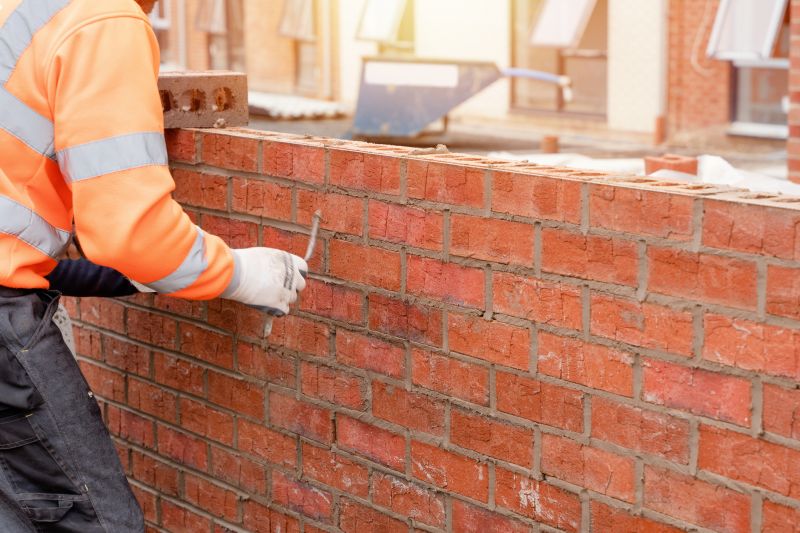
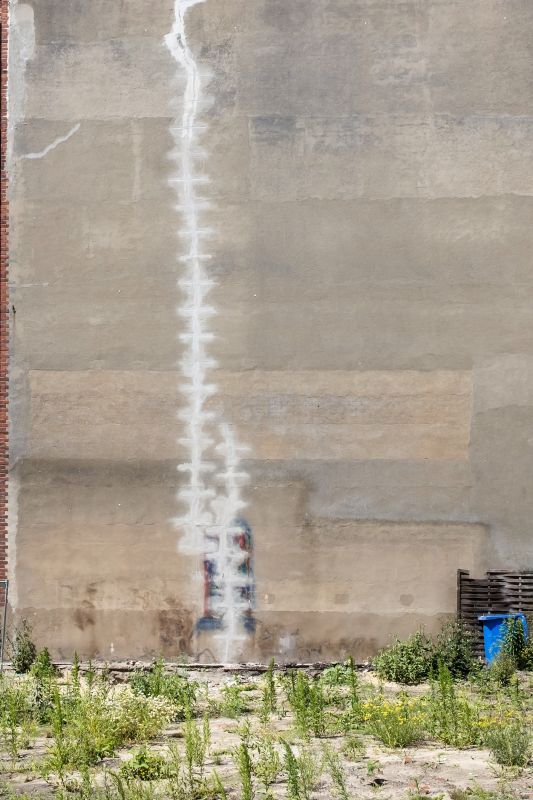
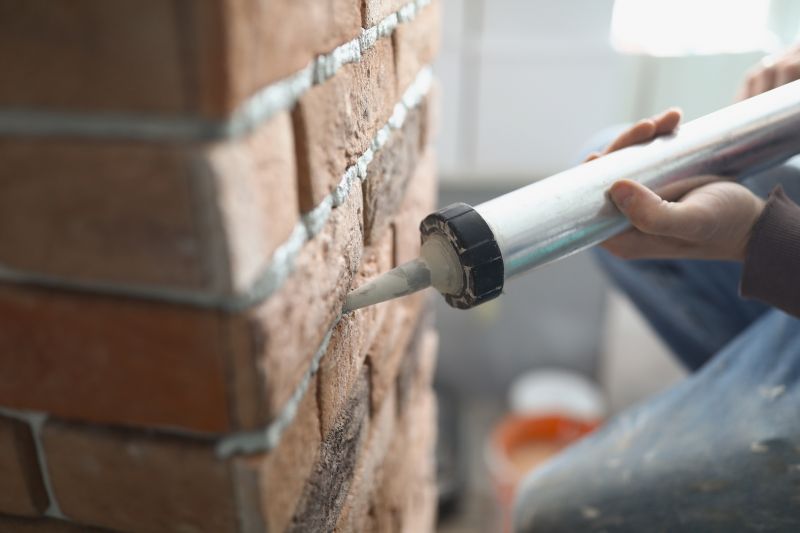
Mortar joint sealing services involve applying specialized materials to the mortar lines between bricks or concrete blocks on a building’s exterior. This process helps to fill in gaps and cracks that may have developed over time, preventing water from seeping into the structure. Proper sealing not only enhances the appearance of a property by providing clean, well-maintained joints but also helps protect the underlying masonry from damage caused by moisture infiltration. Skilled service providers use durable sealants designed to withstand weather conditions and maintain the integrity of the mortar joints for years to come.
One of the primary problems mortar joint sealing addresses is water infiltration. When mortar joints crack or deteriorate, they allow rainwater or melting snow to penetrate the wall, which can lead to issues like mold growth, efflorescence, and even structural damage over time. Sealing these joints helps to keep moisture out, reducing the risk of costly repairs down the line. Additionally, sealing can prevent pest entry points, as gaps in mortar can serve as access points for insects or small rodents. Homeowners noticing water leaks, crumbling mortar, or increasing signs of weather-related wear should consider professional sealing services.
Mortar joint sealing is commonly used on a variety of property types, including residential homes, apartment complexes, commercial buildings, and historic structures. Homes in areas with frequent precipitation or harsh winters, such as those in Longmont, CO, benefit from sealing to improve durability and energy efficiency. Property owners with older masonry work often seek sealing to restore appearance and reinforce the structure’s defenses against the elements. Whether the building is a single-family residence or a multi-unit development, professional sealing services can help maintain the integrity and appearance of the masonry for years to come.
Homeowners typically consider mortar joint sealing when they notice visible cracks, crumbling mortar, or signs of water penetration around brick or stone exteriors. It’s also a preventative measure to preserve the lifespan of masonry work before more serious problems develop. Service providers can assess the condition of mortar joints and recommend appropriate sealing solutions tailored to the specific needs of each property. Contacting experienced local contractors ensures that the work is performed correctly, helping to protect the property from weather damage and maintain its curb appeal over time.
The overview below groups typical Mortar Joint Sealing projects into broad ranges so you can see how smaller, mid-sized, and larger jobs often compare in Longmont, CO.
In many markets, a large share of routine jobs stays in the lower and middle ranges, while only a smaller percentage of projects moves into the highest bands when the work is more complex or site conditions are harder than average.
Smaller Repairs - Typical costs for minor mortar joint sealing projects in Longmont range from $250 to $600. Many routine repairs fall within this middle band, covering small cracks or gaps in existing mortar joints.
Medium-Scale Projects - Larger, more involved sealing jobs can cost between $600 and $1,500. These often include multiple sections of a building or moderate deterioration that requires more extensive work.
Full Repointing - Complete mortar joint replacement or extensive sealing on a standard home can range from $1,500 to $3,500. Fewer projects reach this level, typically involving older or heavily damaged masonry.
Larger or Complex Projects - Large commercial or multi-unit building projects can exceed $5,000, depending on size and scope. These are less common and usually involve significant structural considerations or custom work.
Actual totals will depend on details like access to the work area, the scope of the project, and the materials selected, so use these as general starting points rather than exact figures.
Brick and Masonry Restoration - Professionals in this area use similar skills to repair and seal masonry surfaces, ensuring durability and protection against moisture intrusion.
Exterior Caulking and Sealant Application - This project involves applying sealants around windows and doors, requiring precise work comparable to mortar joint sealing.
Concrete Joint Repair - Repairing cracks and joints in concrete surfaces involves planning and tools similar to those used in sealing mortar joints for long-lasting results.
Foundation Waterproofing - Applying waterproof coatings and sealants to foundations shares techniques with sealing mortar joints to prevent water damage.
Chimney and Fireplace Restoration - Restoring and sealing chimneys involves masonry work and sealing skills that align with mortar joint maintenance.
Tile and Grout Restoration - Cleaning and resealing tile grout requires careful application and planning akin to mortar joint sealing processes.
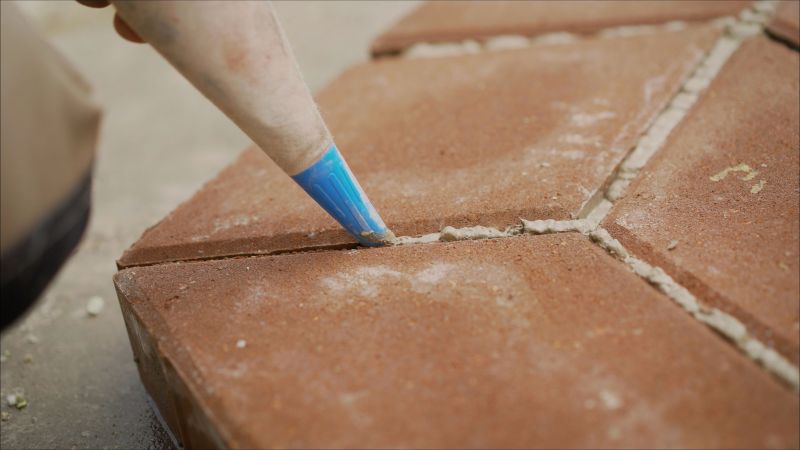
When comparing contractors for mortar joint sealing services, it’s important to consider their experience with similar projects. Homeowners should look for service providers who have a proven track record of handling projects comparable in scope and style, such as sealing joints on homes with similar brick or masonry types. An experienced contractor will be familiar with the specific challenges that can arise in projects like these, helping to ensure the work is completed effectively and with attention to detail.
Clear, written expectations are essential when evaluating local contractors. Homeowners should seek providers who can offer detailed descriptions of the scope of work, materials to be used, and the steps involved in the sealing process. Having this information in writing helps prevent misunderstandings and provides a point of reference throughout the project. It’s also beneficial to ask how the contractor plans to address any issues that may emerge during the work, ensuring transparency and alignment from the outset.
Reputable references and good communication are key indicators of a reliable service provider. Homeowners are encouraged to request references from past clients who had similar work done, as this can offer insights into the contractor’s professionalism and quality of work. Additionally, effective communication-such as responsiveness to questions and clarity in explanations-can help foster a smooth project experience. Remember, this site helps connect homeowners with local contractors who are capable of handling mortar joint sealing, but it does not perform the work itself.
Property owners in Longmont, CO use Mortar Joint Sealing services for practical projects around their homes and businesses. This guide focuses on everyday jobs and straightforward project options.
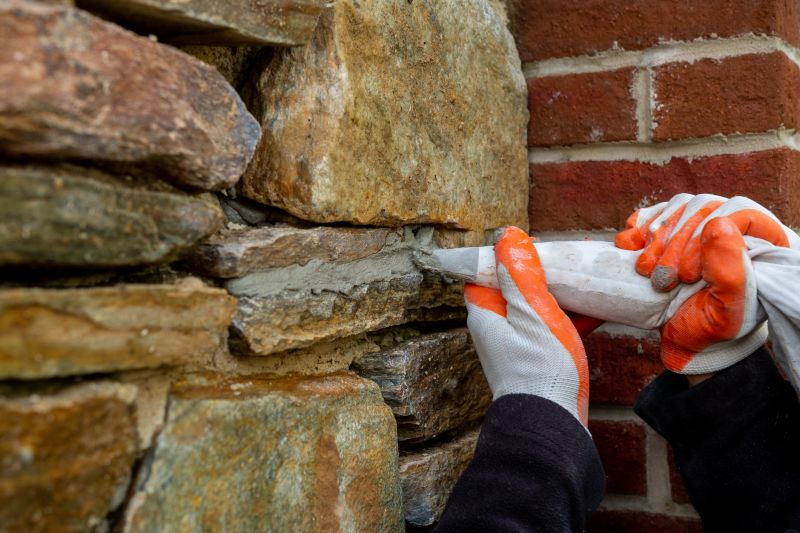
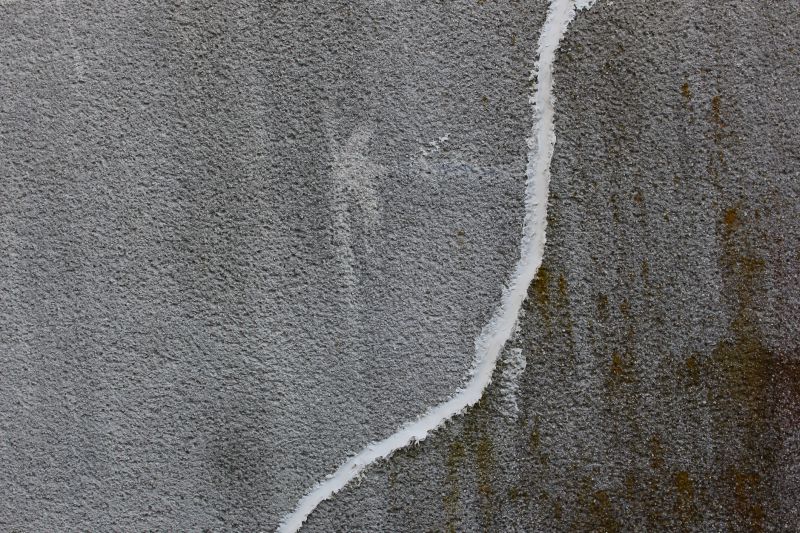
Mortar joint sealing services are often needed when homeowners notice gaps, cracks, or deterioration in the mortar between bricks or stones on their property. In Longmont, CO, these issues can arise from seasonal temperature changes, moisture exposure, or general aging of the masonry. Property owners may seek out local contractors to help prevent water infiltration, which can cause further damage or compromise the structural integrity of walls and facades. Proper sealing helps maintain the appearance of the building while protecting it from the elements, making it a common step in routine maintenance or renovation projects.
Additionally, property owners might look for mortar joint sealing when preparing a home for sale or addressing aesthetic concerns. Over time, mortar can become stained or crumbling, impacting curb appeal. Local service providers can assist with restoring the look of masonry while ensuring the joints are sealed against future weather-related wear. This service is often part of larger masonry or repair projects, and connecting with experienced contractors in the Longmont area can help property owners find the right solutions to keep their buildings secure and visually appealing.
What is mortar joint sealing? Mortar joint sealing involves applying a protective material to the mortar between bricks or stones to prevent water infiltration and damage.
Why is sealing mortar joints important? Sealing mortar joints helps protect the structure from water damage, reduces mold growth, and extends the lifespan of the masonry.
How do local contractors perform mortar joint sealing? They typically clean the joints thoroughly, then apply a specialized sealant designed for masonry to ensure a durable, weather-resistant barrier.
Can mortar joint sealing be done on existing structures? Yes, experienced service providers can seal mortar joints on existing buildings to improve their resistance to weather elements.
What signs indicate that mortar joints need sealing? Signs include visible cracks, crumbling mortar, or areas where moisture appears to be penetrating the masonry surface.
Preventing Water Damage - Sealing mortar joints can help keep moisture out of brick and stone walls, protecting the structure during heavy rains or snowmelt.
Maintaining Curb Appeal - Properly sealed mortar joints can improve the appearance of a home's exterior by preventing staining and deterioration over time.
Preparing for Renovations - Mortar joint sealing can be part of prep work before repainting or restoring a brick facade to ensure long-lasting results.
Extending Building Lifespan - Regular sealing of mortar joints can help preserve the integrity of exterior walls, reducing the need for costly repairs down the line.
If you are thinking about Mortar Joint Sealing for a property in Longmont, CO, this guide is meant to help you understand the work, the typical project types, and how different options might fit your plans.
When you are ready, you can use the quote form on this page to share a few details about your project. From there, local pros can review the basics and respond with options that match what you have in mind.